



EU-India Free Trade Agreement: What the Historic EU Agreement Means for Global Trade & Exporters | Synton Impex
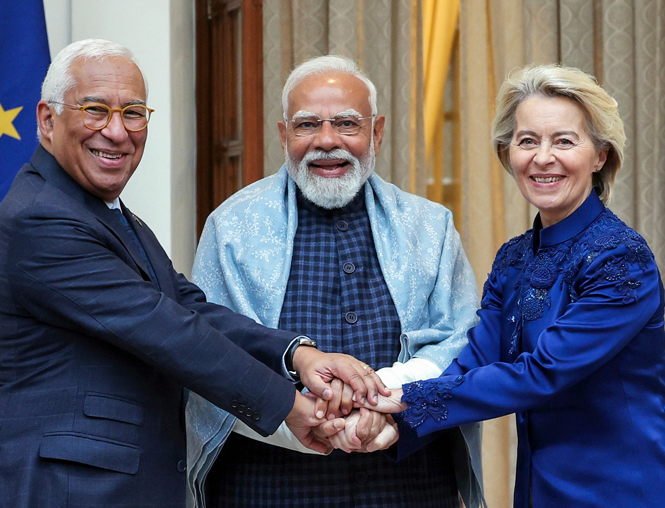
The European Union and India have reached a historic Free Trade Agreement (FTA), widely referred to as the “mother of all trade deals.”
This landmark EU-India agreement is set to transform global trade flows, open massive export opportunities, and strengthen economic ties between two of the world’s largest economies.
At Synton Impex, we closely track global trade developments to help our partners and buyers stay ahead. In this blog, we explain what the EU agree means, why it matters, and how it impacts Indian exporters and international trade businesses.
What Is the EU-India Free Trade Agreement?
The EU-India Free Trade Agreement (FTA) is a comprehensive trade pact between India and the European Union (27 member countries) aimed at:
● Reducing or eliminating import and export tariffs
● Improving market access for goods and services
● Encouraging cross-border investment
● Simplifying customs and regulatory procedures
Negotiations for this agreement lasted nearly two decades and were finally concluded in January 2026, making it one of the largest and most impactful trade agreements globally.
Why the EU-India Trade Deal Is a Game Changer
This agreement covers:
● A combined market of nearly 2 billion people
● Around 25% of global GDP
● India’s fast-growing manufacturing and export base
● The EU’s high-value, premium consumer market
Why This EU Agree Is So Important
● Creates one of the world’s largest tariff-reduction trade corridors
● Strengthens India’s position as a global export and sourcing hub
● Helps exporters diversify markets beyond traditional regions
● Encourages long-term, stable trade relationships
Key Highlights of the EU-India Agreement
- Significant Tariff Reductions
India will reduce or eliminate tariffs on over 99% of EU exports, including:
● Automobiles
● Machinery and equipment
● Chemicals and pharmaceuticals
● Wine and spirits
● Industrial goods
The European Union will offer preferential or zero-duty access on over 96% of Indian exports, benefitting sectors such as:
● Textiles and apparel
● Leather and footwear
● Engineering goods
● Marine products
● Gems and jewellery
● Select agricultural and food products
What This Means for Indian Exporters
For export-focused companies like Synton Impex, the EU-India FTA creates major long-term advantages.
Key Benefits:
● Lower landed cost of Indian products in EU markets
● Increased competitiveness against other exporting nations
● Access to premium European buyers and distributors
● Stable, predictable trade framework
This agreement allows Indian exporters to scale volumes, improve margins, and build sustainable global partnerships.
Beyond Goods: Services, Investment & Trade Ease
The EU-India FTA goes beyond physical goods:
● Improved access for IT, consulting, and professional services
● Enhanced investment protection for businesses on both sides
● Simplified customs procedures and regulatory cooperation
● Strong focus on sustainability, quality, and compliance
These changes reduce friction in cross-border trade and improve overall efficiency.
Impact on Global Trade & Supply Chains
The EU-India agreement signals a clear shift in global trade strategy:
● Strengthening India-EU supply chains
● Reducing dependency on single-country sourcing
● Promoting diversified, reliable export partnerships
For international buyers, India becomes an even more attractive sourcing destination.
How Synton Impex Is Positioned for the EU Market
At Synton Impex, we operate with:
● Strong supplier verification
● Export-ready documentation
● Compliance-focused sourcing
● Market-specific packaging and labelling support
The EU-India FTA aligns perfectly with our approach of delivering consistent quality, transparency, and reliability in international trade.
What Exporters Should Do Next
To fully benefit from the EU-India Free Trade Agreement, exporters should:
● Understand EU compliance standards and certifications
● Focus on traceability and quality control
● Strengthen export documentation and testing
● Build early relationships with EU buyers
● Prepare pricing strategies aligned with tariff reductions
Early movers will gain the biggest advantage.
When Will the EU-India FTA Be Implemented?
The agreement will now undergo:
● Legal vetting
● Approval by the European Parliament
● Ratification by EU member states and the Indian government
Expected implementation timeline: Late 2026 to early 2027
However, preparation should begin now.
Final Thoughts
The EU-India Free Trade Agreement marks the beginning of a new era in global trade.
For Indian exporters and international partners, this deal unlocks:
● Long-term growth opportunities
● Greater market access
● Stronger India-EU trade collaboration
At Synton Impex, we see this agreement as a powerful step toward building future-ready, globally compliant export partnerships.